


How to Reduce Returns and Exchanges for an Apparel Brand
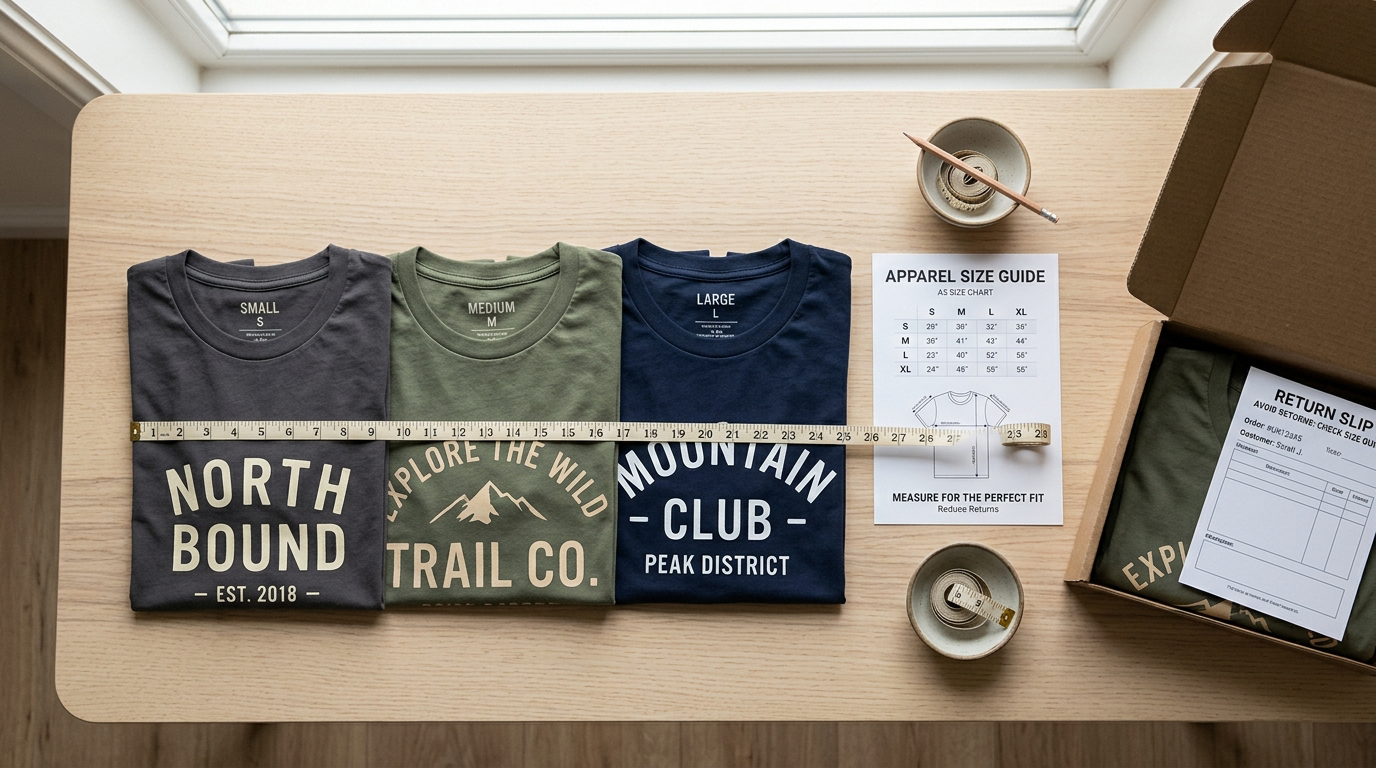
Returns feel like a cost of doing business. In apparel they are closer to a design flaw, because most returns are predictable and most are preventable.
The industry return rate for clothing sits far above other retail categories. The reasons are consistent: sizing uncertainty, colour and quality surprises, and product pages that oversell. This guide covers each cause and the specific fix that removes it.
The Real Cost of a Return
Return shipping is the smallest part of the bill.
Add the original shipping cost, the payment processing fee that is rarely refunded, the labour of inspection and restocking, and the discount you will likely apply to sell the item again as open-box. Then add the marketing cost of acquiring a customer who did not stay. A single return can erase the margin on several orders.
There is also a softer cost. Customers who return once often do not order again, even when the return process was smooth.
Cause 1: Sizing Uncertainty
This is the largest single driver of apparel returns, and the most fixable.
A generic size chart copied from a supplier is not enough. Customers need to map their own body to your garment, and they need it in their own units. Publish a chart with real measured garment dimensions, not body measurements alone. Chest width across the garment, body length, and sleeve length matter most.
Our sizing and fit guide explains how to measure a garment properly and how to present those measurements so customers can compare them against a shirt they already own.
Then go one step further. Add a fit descriptor to each product, such as runs small, true to size, or relaxed. Customers who know a shirt runs small will size up before ordering rather than after receiving it.
Cause 2: The Colour Gap
Customers often return an item because the colour was not what they pictured.
Screens vary, and a saturated product photo can read very differently from the physical garment. The fix is honest photography under neutral light, with at least one image that shows the true shade rather than the most flattering one. Our guide to product photography without a studio covers how to capture colour accurately at home.
Where a design involves specific colour matching, describe the shade in words as well. Buyers search for terms like forest green or dusty rose, and those words set the right expectation before purchase.
Cause 3: Quality Surprises
A garment that feels thinner, rougher, or smaller than expected comes straight back.
Manage this with specificity. State the fabric weight, the blend, and what the customer should feel when they open the package. Heavier cotton feels substantial and holds shape, while lighter cotton feels cooler and drapes more. Our overview of fabric weights and fits explains the trade-offs in plain language you can reuse on a product page.
Care expectations belong here too. Ink that cracks after one hot wash produces an angry return even though the garment was fine. Our guide to washing and caring for printed tees gives customers the instructions that prevent it.
Cause 4: Photography That Oversells
A perfect image sets a standard the product cannot meet.
Extreme angles, heavy filters, and studio lighting that no customer will ever see all raise expectations. Include at least one plain, evenly lit image and one worn shot at normal distance. Show the print at actual scale so nobody expects a larger graphic than they receive.
Cause 5: A Difficult Returns Policy
Counterintuitive as it sounds, a strict policy does not reduce returns.
It reduces orders. Customers who worry about being stuck with the wrong size simply do not buy. A clear, fair window with a simple process increases conversion more than it increases returns, and it improves the chance that a returning customer buys again.
State the window, who pays return shipping, and the condition required. Use plain language and make a link easy to find rather than burying it in the footer.
Cause 6: Price Anchoring and Buyer's Remorse
Discount-heavy selling brings in customers who were not convinced in the first place.
Deep discounts attract bargain hunters who return items at a higher rate. A stable price with clear value justification tends to produce better customers. Our guide to pricing T-shirts for profit explains how to build a price you can defend.
Turn Reviews Into a Return Preventer
Existing customers answer the questions new customers are asking.
Encourage reviews that mention fit, and ask specifically whether the buyer ordered up or down. A review that says I usually wear a medium and the medium fit perfectly is worth more than a star rating. Our guide to using customer reviews shows how to structure those requests.
Prevention Checklist
Audit your store against this list before your next drop.
Real garment measurements in both metric and imperial. A fit descriptor on every product. Honest colour photography. Fabric weight stated clearly. One worn, normally lit image. Care instructions on the page. A returns policy in plain language, linked from the product page. Post-purchase review requests that ask about fit.
The Bottom Line
Most returns are caused by a gap between what the customer expected and what arrived. Close that gap on the product page and the return rate falls on its own.
Start by browsing our t-shirts and sweatshirts and checking how each listing communicates fit, fabric, and colour.