


How to Wash and Care for Printed T-Shirts So They Last
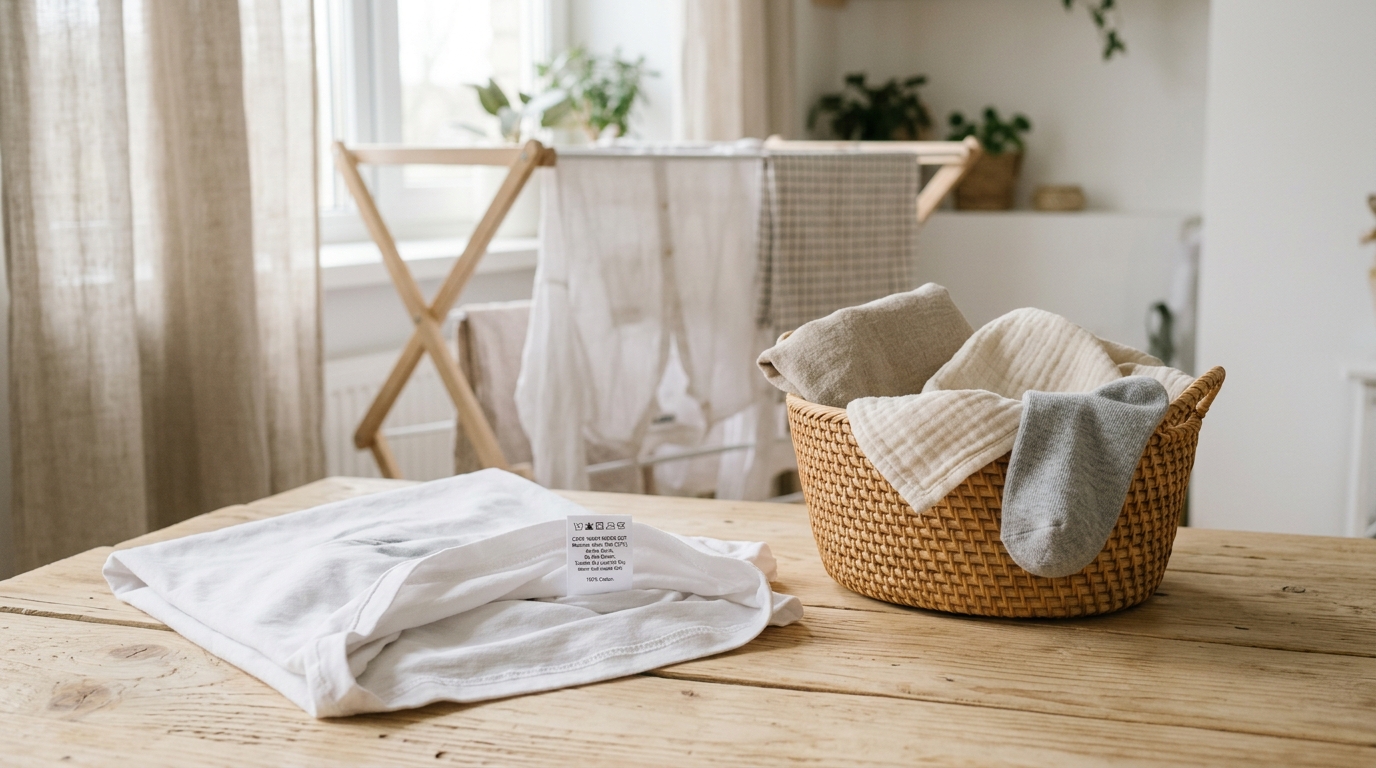
A printed t-shirt should get better with age in the way a favorite shirt does, not worse in the way a cheap one does. The difference between a print that survives two years and one that cracks in two months is mostly laundry habits.
Heat, abrasion, and harsh chemistry break down cured ink. Fortunately, all three are easy to control. This guide covers what actually damages prints, how to wash and dry them, and what brands should tell customers so the product lives up to its promise.
Why Printed T-Shirts Fail
Print failure has three common shapes. Cracking looks like a spiderweb of fine lines through the design. Fading is a washed-out, dull graphic. Peeling is the ink lifting away from the fabric as a film.
Each has a cause. Cracking comes from stretching the print while hot, usually in a hot dryer. Fading comes from repeated exposure to heat, sunlight, and harsh detergent. Peeling comes from under-cured ink, poor fabric preparation, or washing that mechanically works the ink loose.
Only one of those causes is a manufacturing problem. The rest are care habits, which means customers can protect their print with a few simple changes.
The First Wash Matters Most
The first wash sets the pattern for everything after it. Treat it gently and the print keeps its structure.
Wash the shirt inside out on a cold, gentle cycle the first time and every time. Cold water slows dye loss and keeps ink flexible rather than brittle. Use a mild detergent and skip the fabric softener, which leaves a residue that dulls the print surface.
Never use bleach on a printed garment. If you must sanitize, use a color-safe option and keep the wash short.
Washing Rules That Protect the Print
Turn the shirt inside out before it goes in the machine. This puts fabric, not ink, against the drum and other garments.
Wash with similar colors and avoid zippers, hooks, or heavy denim that can snag the print. Use a cold, gentle or delicate cycle with a low spin. Skip the dryer entirely if you can, and never wash a printed shirt with hot water.
If a stain needs attention, treat it from the inside of the garment and blot rather than scrub. Scrubbing is abrasion, and abrasion is what wears ink down.
Drying: Heat Is the Enemy
If you remember one rule from this guide, make it this one. Heat is what cracks prints.
A hot dryer softens the ink and then tumbles the garment, stretching and folding the print while it is vulnerable. That combination is what creates those fine white lines across a design.
Hang the shirt to dry whenever possible. If you use a dryer, choose the lowest heat setting and remove the shirt while it is still slightly damp. Air drying in shade also protects colors better than direct sunlight, which fades prints over time.
Ironing and Heat at Home
People ruin prints with irons more often than with any other household tool.
Never press the iron directly onto the printed area. If the shirt needs pressing, turn it inside out and iron the back of the fabric, or place a thin cotton cloth over the print and use low heat with no steam.
The same caution applies to hair dryers and heat guns. Direct concentrated heat softens ink, and any stretching while it is warm can distort the design permanently.
Wearing and Storage Habits
How a shirt is worn and stored matters too, just more slowly.
Avoid stretching the shirt over a hanger at the shoulders, since that stress can distort a print over months. Fold printed shirts for storage rather than hanging them. Keep them out of damp spaces and away from direct sun, which fades even well-cured ink.
When traveling, roll rather than fold them tightly, and keep printed areas from rubbing against rough items in a bag.
Care Changes by Print Method
Different decoration methods have different weak points, and knowing yours helps you give better advice.
Screen printed garments generally have the most durable ink, though heavy layers can crack if they are stretched while hot. Direct to garment prints sit on the surface of the fabric, so they benefit most from gentle washing and low heat. Transfers and films can peel at the edges if they are washed in hot water or dried on high heat. Embroidery is the most forgiving, since thread does not crack, but it can snag, so washing it inside out still helps. Our comparison of embroidery versus printing explains how each method behaves over time.
Fabric choice matters as much as decoration. A heavier, tightly woven cotton holds a print shape better than a light, loosely knit fabric, which is one reason weight matters when choosing materials. Our guide to the best fabrics for a premium brand covers how weight and fibre affect durability.
What Brands Should Tell Customers
Care instructions are part of the product experience, not an afterthought. Customers who ruin a shirt often blame the brand, not the laundry routine.
Print the care guidance on the label and repeat it on the product page. Keep it to a few clear rules, such as washing cold, drying low, and ironing inside out. Including a care label and hang tag also strengthens the unboxing experience, which our guide to private label details covers.
Fit and shrinkage connect here as well. If a garment will shrink slightly on the first wash, say so, and link to the sizing and fit guide so customers buy the right size before they wash it.
Finally, invite feedback. Customers who share how a print held up give you both proof and product insight, and reviews that mention durability are among the most persuasive content on a product page, as our guide to turning reviews into sales explains.
The Bottom Line
Prints last when heat and abrasion stay out of the equation. Wash cold, turn the shirt inside out, skip fabric softener, and hang it to dry. Those four habits prevent most cracking and fading.
If you run a brand, put those same rules on your label and your product page. Then browse our t-shirts and sweatshirts to find pieces built to be worn, washed, and worn again.